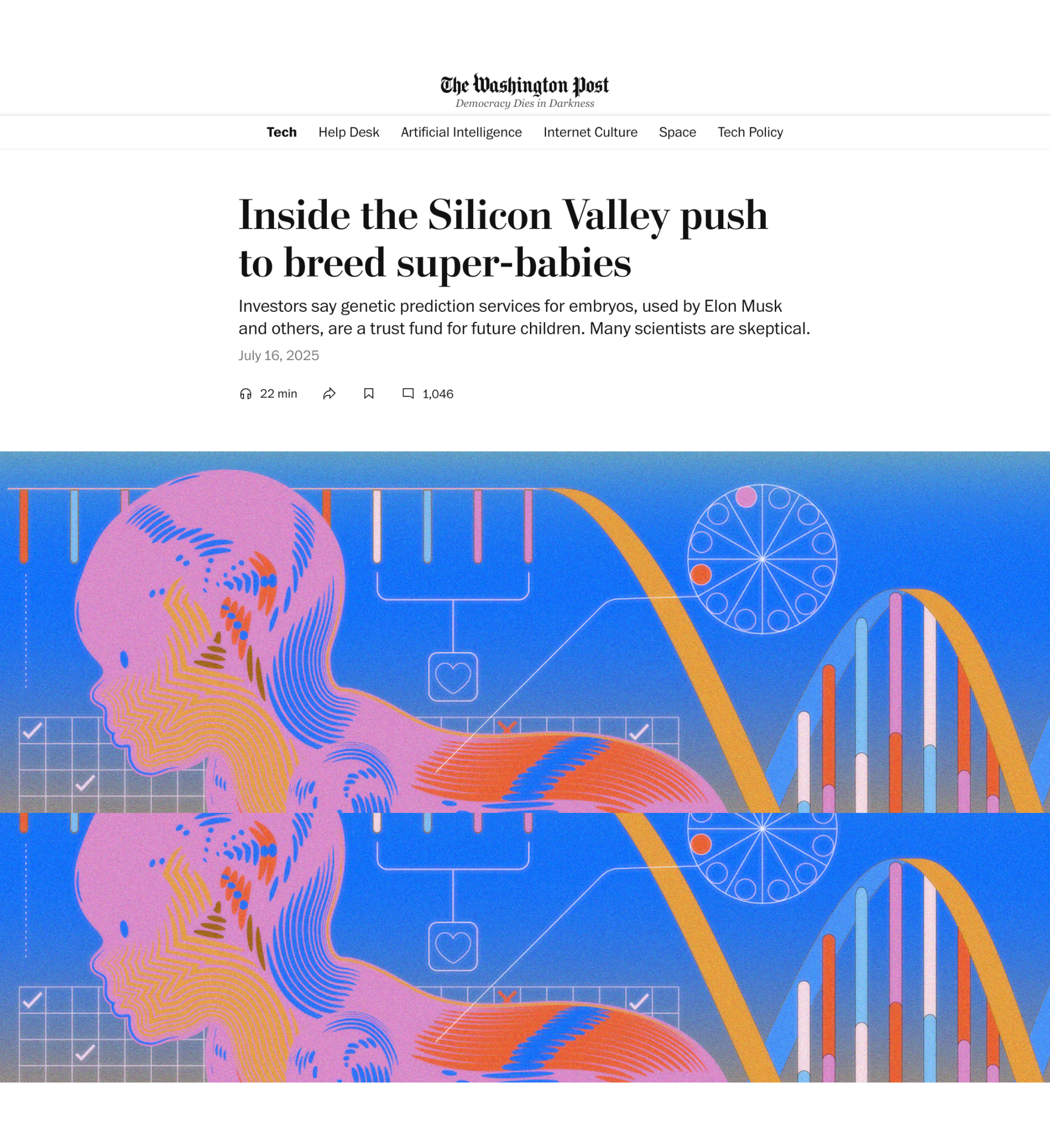
Description
For decades, advocates, researchers, and clinicians have worked to improve the experiences of expectant parents navigating prenatal screening and diagnostic testing for disabilities. Yet recent research demonstrates that at least half of patients continue to describe these encounters as negative, often leaving without the support or resources they need to truly understand a diagnosis. Despite the availability of balanced, accurate, and up-to-date educational materials, research publications, and provider training, progress has been incremental.
At the heart of this challenge remains a persistent societal bias against people with disabilities—a bias that continues to surface in screening and diagnostic conversations. While this issue has not yet been fully addressed, we now face an expanding genetic frontier: a growing array of prenatal genetic tests, expanded genetic embryo screening, the prospect of heritable human genome editing, and related technologies raise profound ethical questions and risk reinforcing discriminatory assumptions about disability and human value.
Much of the current momentum in this field is driven by private industry, researchers, and technology advocates without meaningful community engagement, inclusive dialogue, or sufficient regulatory oversight. Marketing narratives promoting “superior embryos” and CRISPR-enabled “enhancements” echo the troubling history of eugenics, framing disability as inferiority and narrowing the “acceptable” scope of human diversity.
We believe this moment calls for a coordinated response. To that end, we have formed the Alliance for Disability Justice and Ethics in Reproductive Genetics, a coalition of scholars, advocates, clinicians, and community leaders.
Our aims are to collectively:



1) Identify and advance 1–3 shared policy priorities each year that promote disability justice and ethical practices in reproductive genetics.
2) Ensure these priorities are shaped by both cross-disciplinary expertise and the lived experiences of people with disabilities.
3) Collaborate on advocacy, public education, and policy efforts to amplify our collective voice.
Genetic Support Foundation organizes and hosts quarterly virtual meetings for Alliance members to deliberate and set these priorities. Implementation is led collectively, with each participating individual or organization supporting these priorities using strategies consistent with their own mission and expertise. Together, we are working toward a future where reproductive genetics is guided not by profit or prejudice, but by ethical responsibility, inclusion, and justice.
Organizations with Participating Representatives
- 11q Research and Resource Group
- AXYS
- Down Syndrome Diagnosis Network
- Center for Genetics and Society
- Hastings Center for Bioethics
- Jack’s Basket
- Little People of America
- National Center for Dignity in Healthcare and Community Living for People with Disabilities
- National Down Syndrome Congress
- National Down Syndrome Society
- Spina Bifida Association of America
- Support Organization for Trisomy
Meeting Schedule
- Friday, January 16 at 4pm ET
- Friday, April 10 at 4pm ET
- Friday, August 14 at 4pm ET
- Friday, November 20 at 4pm ET
Meeting Notes
Inaugural Meeting | January 16th, 2026
Alliance Research Policy Priorities
Check back for policy priorities identified during our quarterly convenings!
Publications of Interest
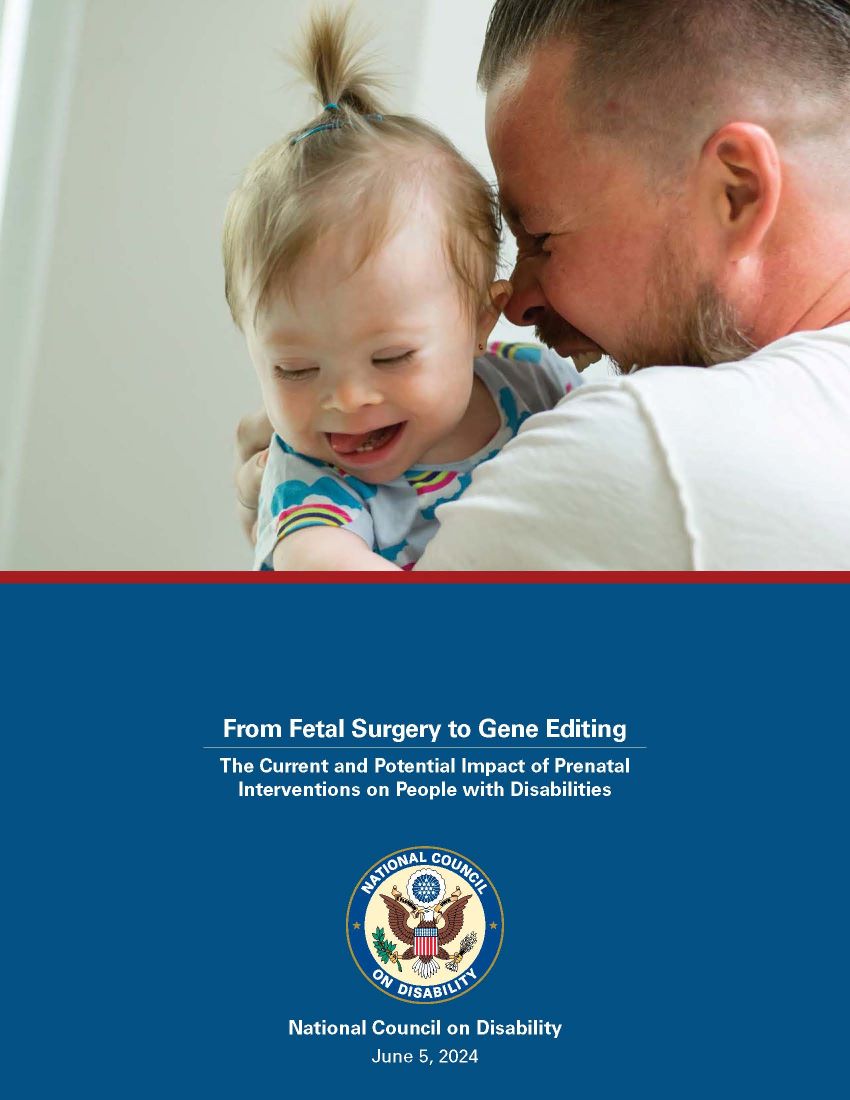
From Fetal Surgery to Gene Editing: The Current and Potential Impact of Prenatal Interventions on People with Disabilities

The Rebirth of Eugenics: Tech Bros and Pronatalism blog series
In the News

‘Have your best baby!’: The genetics company promoting smart, tall babies

Genetically Engineered Babies Are Banned. Tech Titans Are Trying to Make One Anyway.

Bay Area Startups Want to Make Genetically Engineered Babies. What Could Go Wrong?

Today’s Eugenics Is Much More Dangerous

Silicon Valley Wants to Optimize Your Children’s Genes